
Boating Quiz
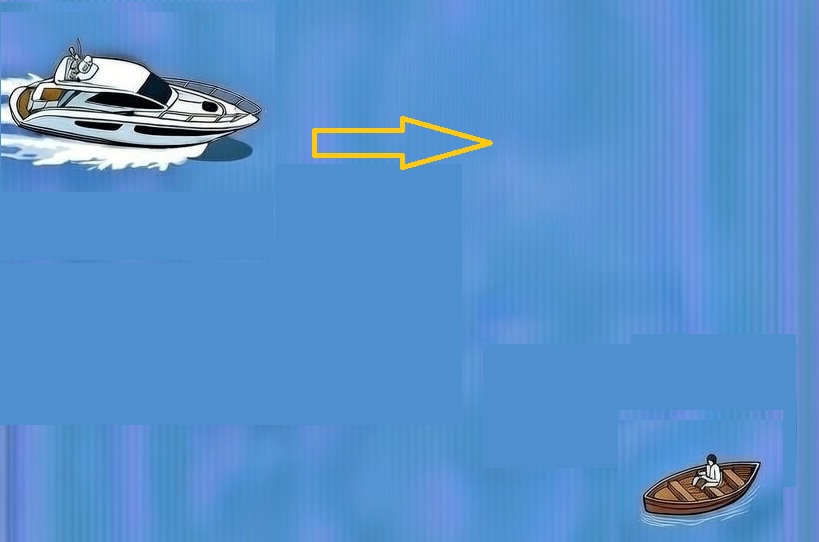
#1. Refer to the image. You are driving a motor yacht fast. There’s a small dinghy stopped and fishing. What should you do?
You have to slow down so you create a smaller wake, smaller vessels on the water have risk of toppling off.
#2. Your boat is on a swing mooring and a big storm (typhoon Signal No. 8) is expected. Which option shows the safest way to prepare your boat for the storm?
In strong winds a boat cover can act like a parachute.
This increases wind load on cleats, lines, and fittings, and can cause more damage during a typhoon.
For storm conditions, it is often safer to remove covers, fold down or remove biminis, secure all loose items, and focus on strong, well-protected mooring lines.
#3. You stop at a marina dock to grab a quick coffee and are in a hurry. When securing your boat to the marina cleat, which is the correct way to tie the line?
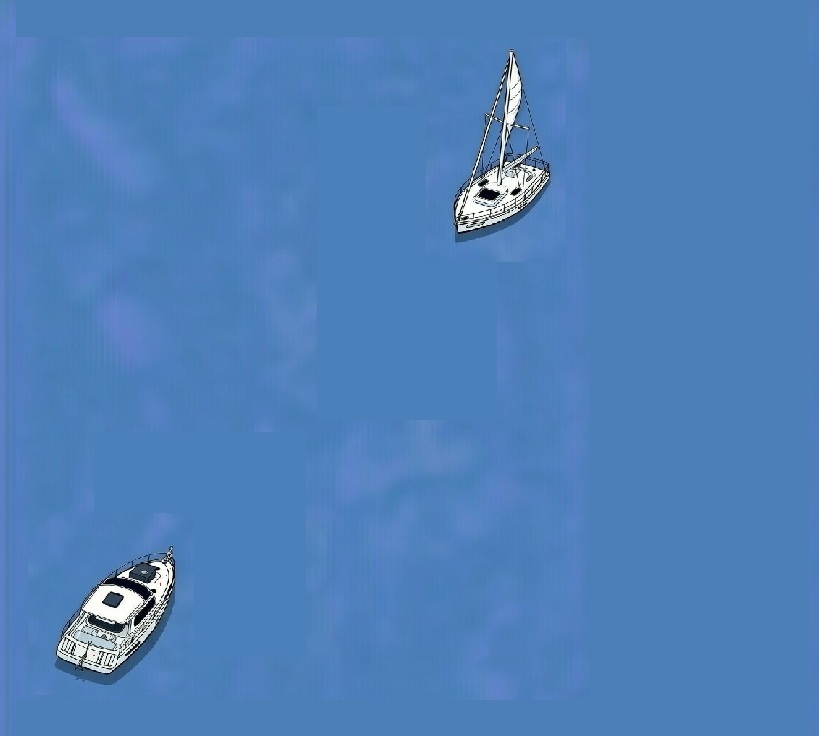
#4. A motor yacht and a sailing yacht are approaching each other head-on. According to navigation rules, which boat must give way?
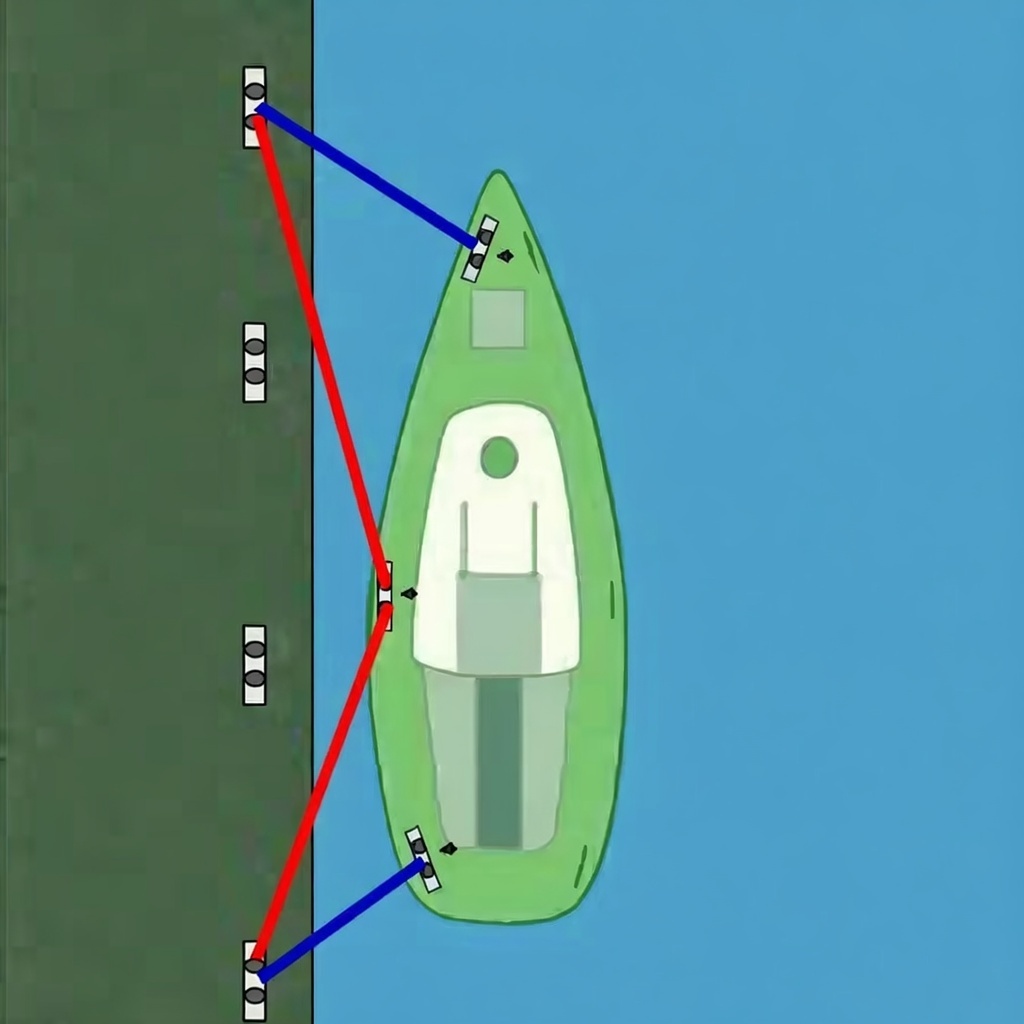
#5. This yacht is tied to a dock. The red lines in the image are spring lines, attached to the center cleat on the yacht. What is the purpose of these spring lines?
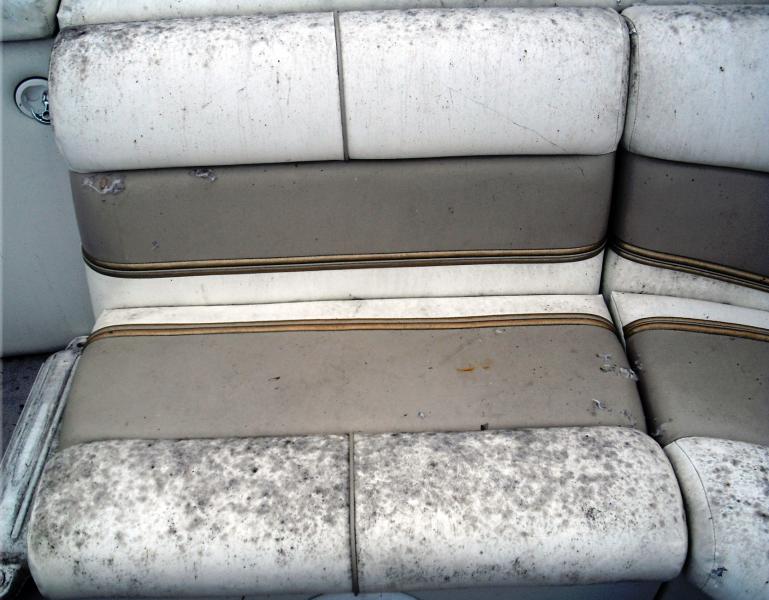
#6. Your vinyl seats have developed mold. There are no marine shops nearby, only general stores. You need to clean them safely. What is the best method?
Many times it is hard to find a proper mold cleaners, but usually mixture of bleach and water works.
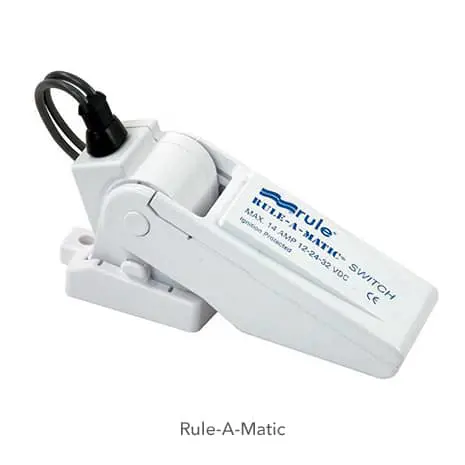
#7. What is this switch?
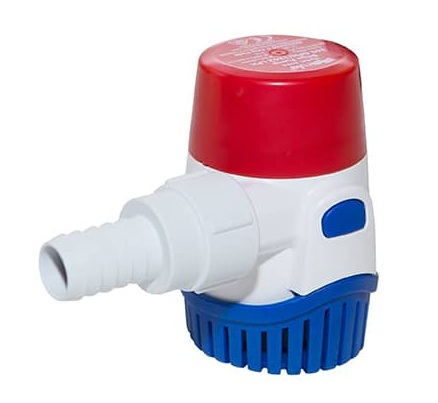
#8. This is a bilge pump, What is the function of a bilge pump?
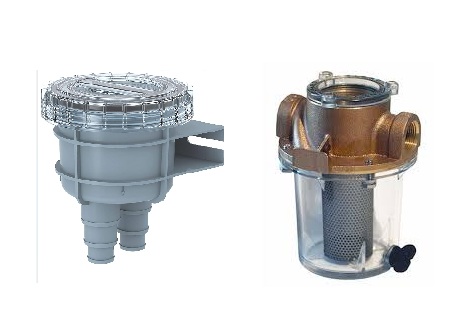
#9. See the image, What are these things?
A raw water strainer, also called a sea-water filter, removes debris from seawater before it enters the engine’s cooling system. This protects the engine from blockages and ensures proper cooling.
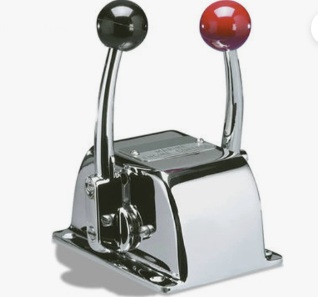
#10. If your boat has one engine and 2 levers to control the engine. What do the levers control.
On this classic dual-engine setup, One Lever controls the Speed (RPM) and other lever is connected to the gear, which controls forward and reverse motion.
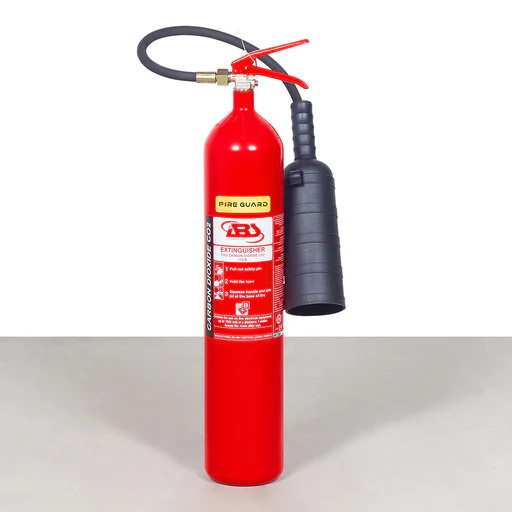
#11. Apart from being marine approved. What type of fire extinguisher is best on boats?
On boats, fires can involve fuel, electrical equipment, or ordinary combustibles. Marine-rated ABC dry powder extinguishers are effective on all these types of fires. Water-based extinguishers are dangerous on fuel or electrical fires, and CO₂ is useful for small electrical fires but not for engine or fuel fires.
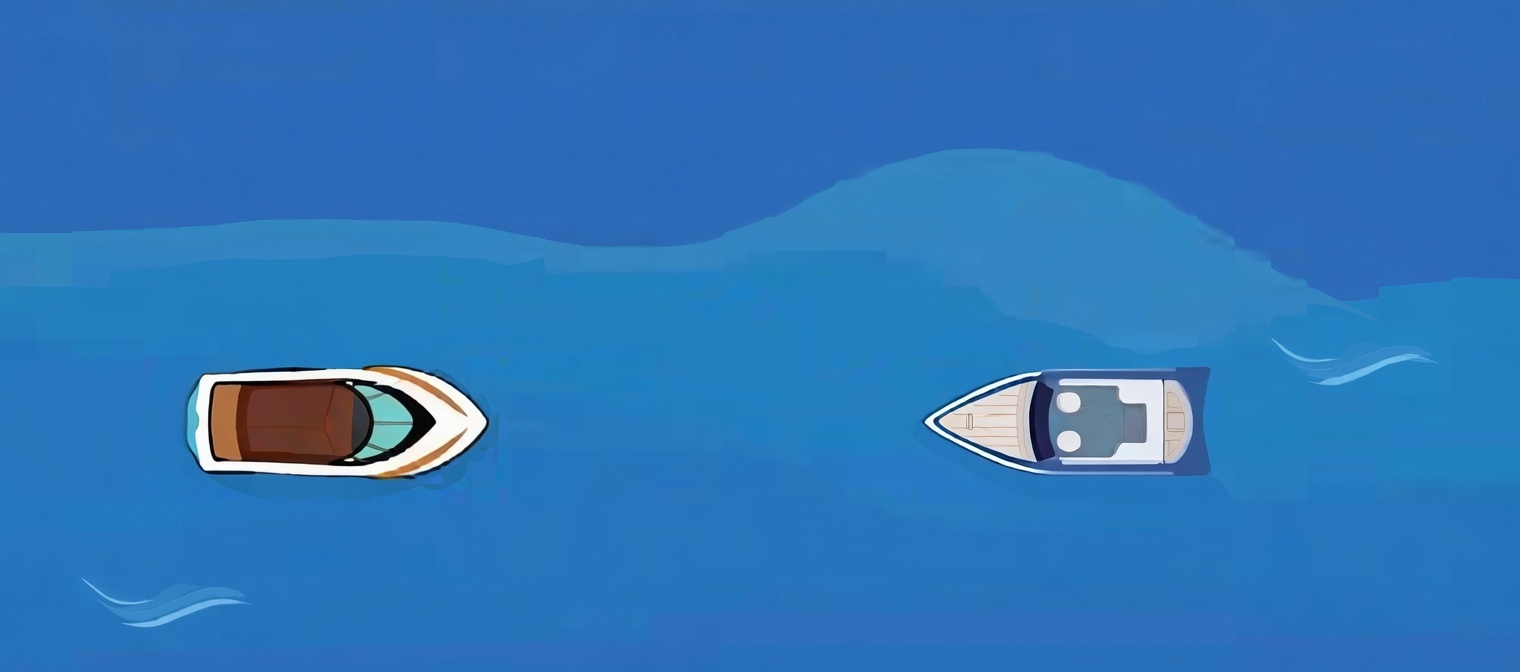
#12. You are navigating a motorboat in a Harbour and encounter another motor vessel head on. According to navigation rules, which way should you turn to avoid a collision?
When two vessels are on opposite courses (head-on), both should turn to starboard (right) to pass port-to-port.

#13. You see a vessel at night showing a red light on your right and a green light on your left. What does this indicate?
A vessel’s port side light is red and starboard side light is green.
If you can see both red (on your right side) and green (on your left side) lights at the same time, it means you are facing the front of the vessel and it is coming towards you.
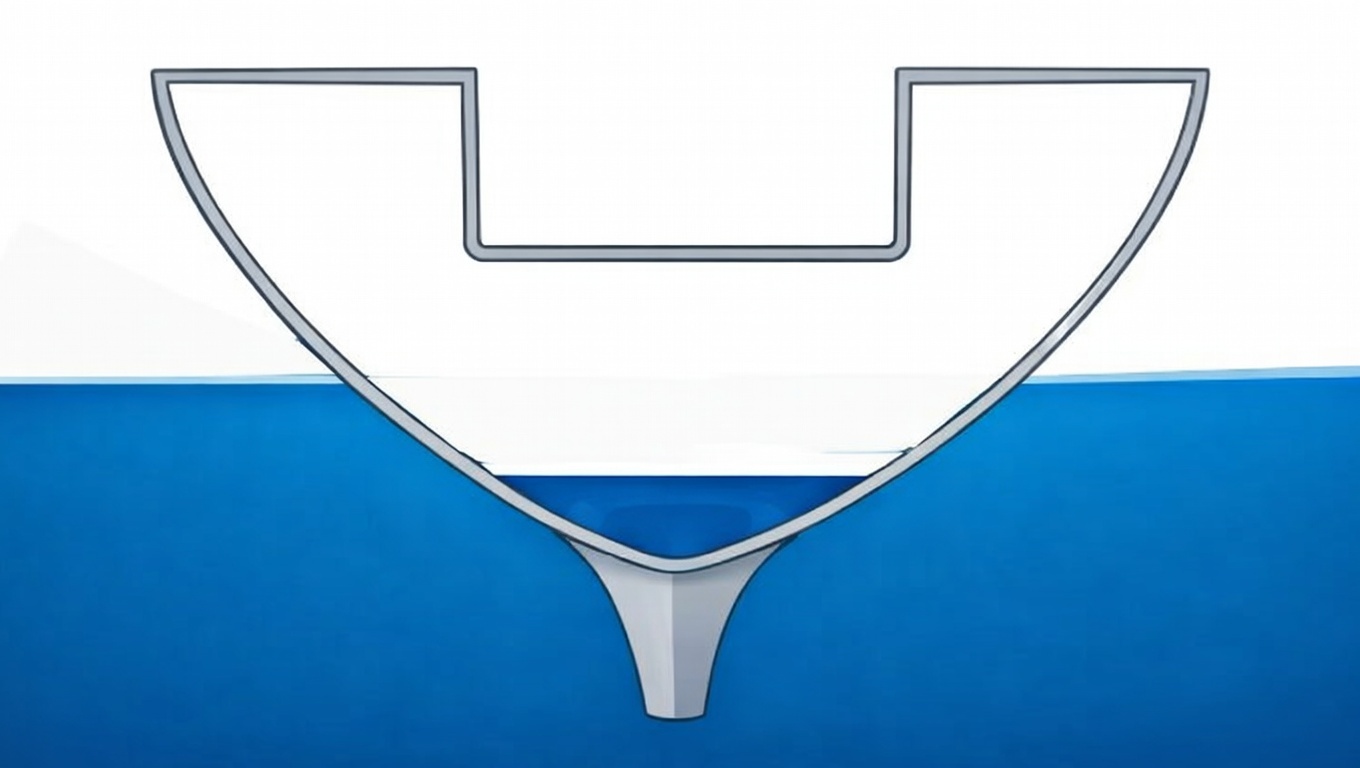
#14. When should you check your bilges for water and leaks?
Checking the bilge regularly helps detect leaks early, ensures the bilge pump is working, and prevents water buildup from rain, washing, or engine issues.
#15. While underway, you suddenly notice black smoke from your inboard diesel engine. What is the correct sequence of actions to take?
Black smoke usually indicates excessive load or restricted air intake. Slowing down reduces stress on the engine and allows you to return safely. Filters and servicing should be checked after, not while underway
#16. If you notice blackish / blue smoke coming from your diesel engine’s exhaust, what does it usually indicate?
Blue smoke is typically caused by oil entering the combustion chamber. This can happen due to worn piston rings, valve guides, or minor internal leaks. It is a sign that the engine may need inspection or maintenance.
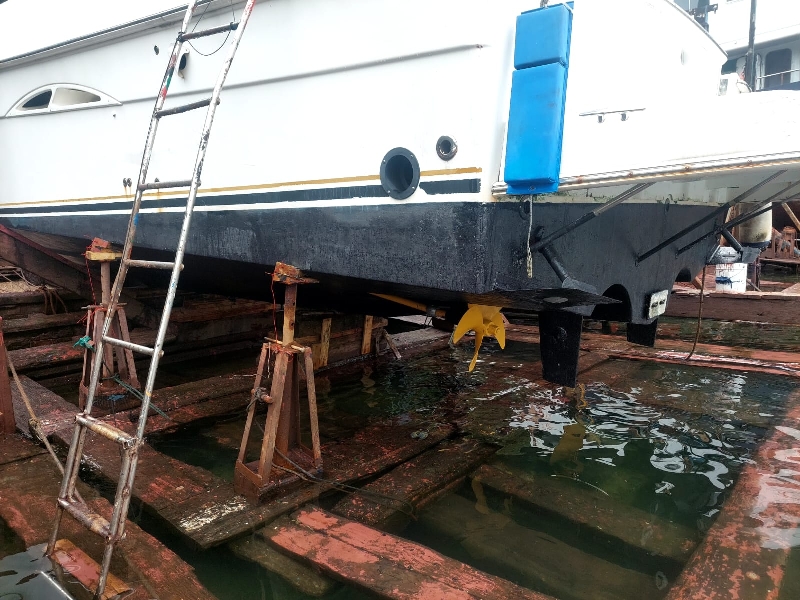
#17. What is the main purpose of antifouling paint on the bottom of a boat’s hull?
Antifouling paint prevents marine growth from attaching to the hull. This helps maintain boat speed, improves fuel efficiency, and protects the hull surface.
#18. In Hong Kong waters, how often is antifouling paint typically required?
Hong Kong has warm water and high marine growth. Because of this, antifouling paint is commonly reapplied every 6 months to remain effective.
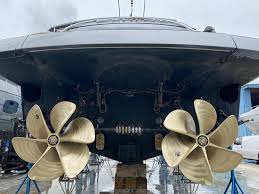
#19. What material are most larger yacht propellers commonly made from?
Larger yacht propellers are usually made from bronze or nickel-aluminium bronze (NAB) because they are strong, corrosion-resistant, and perform well in seawater.
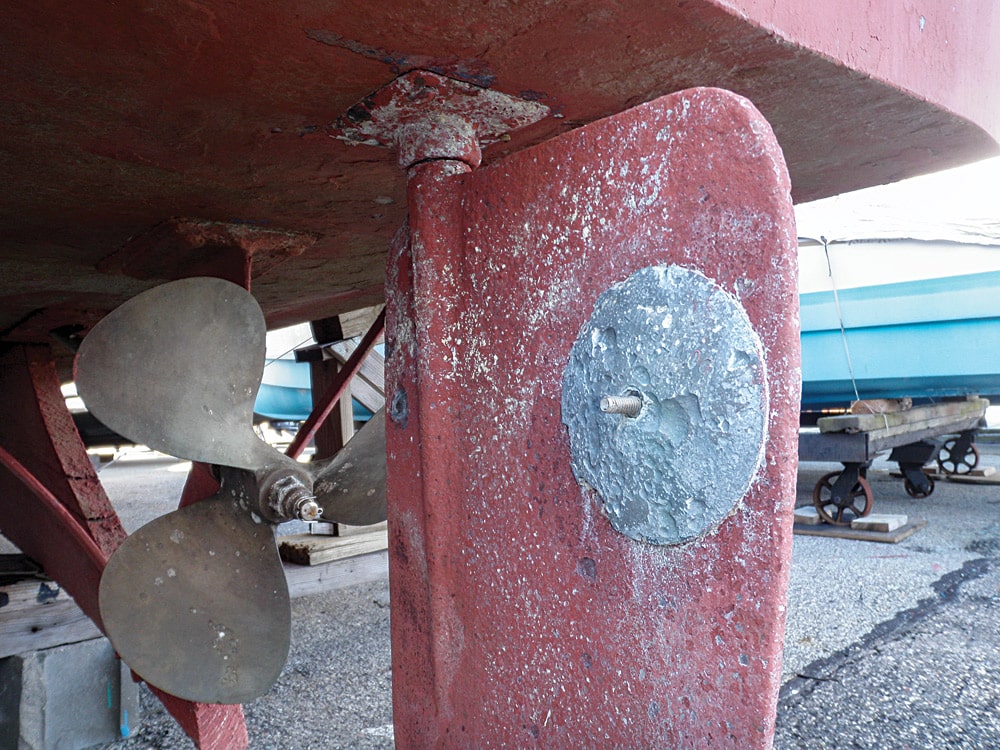
#20. Metal parts exposed to seawater, including engine components and underwater metals that are electrically connected (bonded), can corrode due to electrolysis. What is the best way to protect them?
When metal parts such as engines, shafts, propellers, and thru-hull fittings are exposed to seawater and electrically connected, electrolysis can occur. Sacrificial zinc anodes are designed to corrode first, protecting the more important and expensive metal components.
Results
Well Done, You are a boating Expert, Here is your badge.
To Sell your Boat : www.sellmyboat.hk
To Buy a Boat : www.asia-boating.com
sorry,

You failed the quiz.
But no worries. Try again!
Sell your boat : www.sellmyboat.hk
Buy a boat : www.asia-boating.com


