Boat Sales
- 1. How long does it usually take to sell a boat?It depends on the boat’s price, condition, and market demand. Well-priced and well-presented boats can attract serious enquiries within weeks, while others may take a few months. Proper marketing and realistic pricing make a big difference.
- 2. Do I need to prepare my boat before listing it for sale?Yes. Simple steps like cleaning, decluttering, fixing minor issues, and having service records ready can significantly improve buyer interest and help achieve a better selling price.
- 3. How do you determine the value of my boat?We consider factors such as brand, model, year, condition, engine hours, maintenance history, and current market trends. This ensures your boat is priced competitively and attracts genuine buyers.
- 4. Is a marine survey required when selling a boat?Surveys are usually requested by buyers rather than sellers, but having a recent survey or being open to one helps build trust and speeds up negotiations.
- 5. Can you help with paperwork and ownership transfer?Yes. We guide both sellers and buyers through documentation, ownership transfer, and transaction steps to ensure a smooth and secure process.
- 6. How much commission do you charge to sell a used boat?Our commission is negotiable, but typically around 5%. In cases where a higher marketing budget or urgent sale is needed, the commission may be higher. Often, co-brokers are involved — sometimes one broker charges 5% to the seller and 5% to the buyer, or the commission is included in the price and split between brokers. Either way, the final deal for buyer and seller remains the same, only the distribution differs.
- 7. Is it better to use a broker? Why not sell directly to a buyer?
Using a broker offers many advantages:
-
Realistic pricing: Brokers filter unrealistic market expectations.
-
Expert evaluation: Experienced brokers assess the boat’s condition and highlight potential issues.
-
Legal protection: Brokers handle contracts and ownership transfer professionally.
-
Safer transactions: Deposits, payments, and refunds are managed securely, especially if surveys reveal problems.
-
Convenience: Brokers arrange inspections, delivery, and all logistics, saving you time and effort.
Selling directly is possible, but using a broker ensures a smoother, safer, and more efficient process.
-
- 8. Can I make money by renting (charter) my boat in Hong Kong?Yes, absolutely! You can rent your boat out and almost immediately start earning money. The charter market in Hong Kong is very active. However, the potential for profit—and whether it is a good idea for your specific vessel—depends entirely on the type of boat you own and your financial goals. Here is a breakdown of how different boats perform in the Hong Kong charter market: 1. The Classic "Junk" Boat (The Money Maker) This is the most common and consistent rental category in Hong Kong.
- The Boat: Usually fiberglass or wooden junks with large open deck spaces, long bench seating, and small engines. They are generally lower value (often a couple of hundred thousand HKD) and have minimal accommodation (perhaps just a head/toilet).
- The Usage: These boats cater to large groups (20–30 people) looking to party. The typical itinerary involves picking up guests at Victoria Harbour, cruising to a quiet bay or island, and anchoring for music, swimming, eating, and drinking.
- The Economics: Rentals start at around HKD $6,000+. Because the boat's capital value is low, the return on investment (ROI) is high. Many owners drive the boats themselves to maximize income, often using agencies to find clients for a commission.
- The Boat: Mid-range yachts with good amenities and accommodation.
- The Usage: The clientele here is more sophisticated. These charters are usually for family events, entertaining high-profile corporate clients, anniversaries, marriage proposals, or wedding photography.
- The Economics: Charter rates jump significantly to between HKD $18,000 and $40,000 per trip. While bookings are less frequent than junk boats, the income is substantial. This model is ideal for owners who don't necessarily need to make a full living from the boat but want to cover maintenance, mooring, and crew expenses.
- The Usage: Clients usually rent these for wakeboarding/skiing, private transfers to island restaurants, or simply to practice boat handling and docking skills.
- The Economics: Rentals typically start from HKD $3,000 and up.
- Depreciation: Allowing large groups to party, drink, and dance inside a luxury interior will cause wear and tear that devalues the yacht far more than the rental fee you earn.
- Goal: Generally, owners in this wealth bracket do not find the rental income worth the degradation of the vessel's condition.
- 9. Is it legal to rent out my private boat in Hong Kong? How do I convert a pleasure vessel for charter?Yes, it is legal to rent out your boat in Hong Kong, but you must register it appropriately with the Hong Kong Marine Department. You cannot simply use a standard private pleasure vessel license; you need specific permission to let the vessel for hire or reward. The process is straightforward but requires some spending to meet safety standards.
- You must hire an authorized surveyor. They will inspect your boat to ensure it is seaworthy and safe for commercial use. They will also determine the maximum number of passengers you are legally allowed to carry.
- You need to upgrade your insurance. You must have a Third Party Liability policy with coverage of at least HKD 10 million for charter boats (This may change, so please always check with an experienced insurance agent or HK marine dept). Be aware that comprehensive insurance for a rental boat is generally more expensive than standard private insurance due to the higher risk.
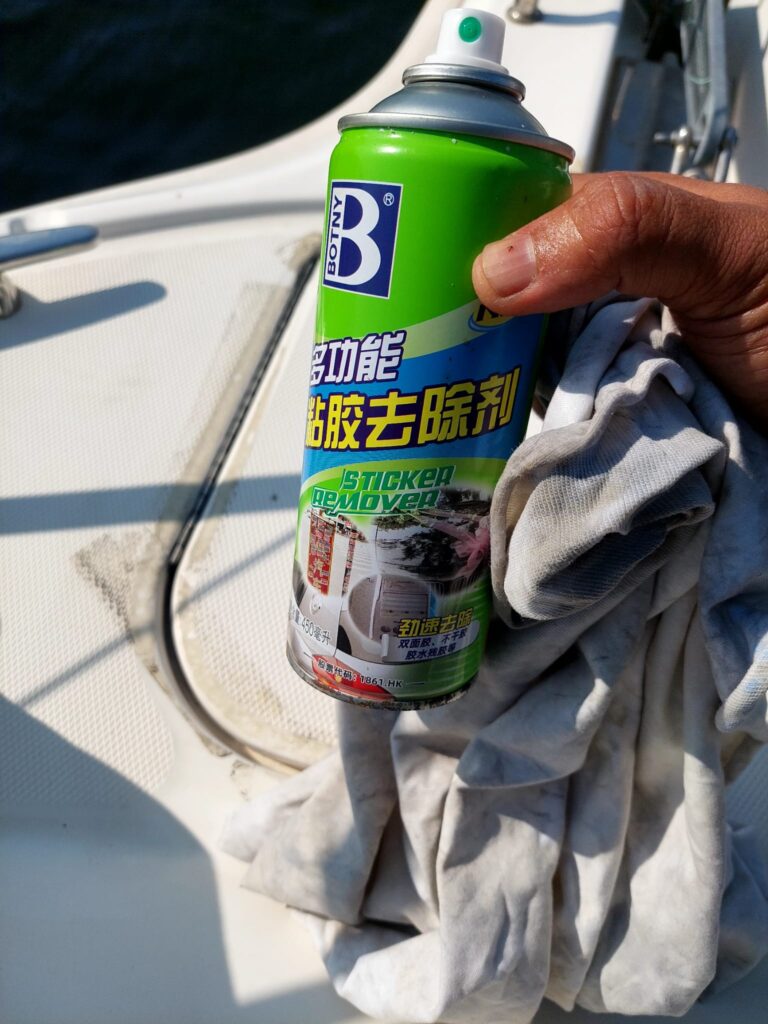
- 10. How to Remove Stubborn, Unremovable Stains from a Boat's Non-Skid Deck? The Stains that won't come off with regular scrubbing. What's the best way to deal with them
A: The challenge with non-skid decks is that their textured surface traps dirt, grime, and rust particles, making stains adhere tightly. For rust stains, use a rust removal gel or a spray like Star brite Rust Stain Remover, letting it sit before rinsing. For general cleaning, specialized non-skid deck cleaners or a 50% bleach and water mixture can work if left on for a while before washing. If stains persist and seem like hardened matter, a super glue remover spray (often found in Hong Kong hardware shops) can be a last resort. This spray is effective at breaking down tough, bonded-on dirt and even adhesive residue from tapes, restoring the deck's appearance when other methods fail.