Beware of scammers when you are selling your boat in Hong Kong

beware of scammers
Beware of scammers

The yachting world has changed. Gone are the days when selling a boat relied solely on magazine ads and word of mouth. Today, social media platforms like Facebook, Instagram, and Marketplace are powerful tools for a boat broker or boat owner to reach buyers globally.

However, this digital shift brings a dark side. If you list a boat online today, you might find that 90% of your initial inquiries aren’t real buyers—they are scammers. And they are no longer just sending poorly written emails asking for $100 like the old nigerian prince scam, where they gave you fake transfer documents and asked for 100$ to activate that transfer; they are evolving, sophisticated, and dangerous.

Whether you are a seasoned broker or an owner looking to sell your boat, you need to know how to spot them. Here is the breakdown of the modern maritime scams plaguing Hong Kong and Asia right now.

1. The “Ghost” Buyer: Buying Without Seeing

This is the absolute biggest red flag, yet many eager sellers fall for it.

The Scenario: You receive an inquiry, often from a Mandarin speaker using a local Hong Kong number (likely via VoIP from scam compounds in Southeast Asia). They are incredibly enthusiastic. They love the photos. They accept your price immediately without negotiation. They want to send a deposit right now.

The Reality Check: Ask yourself: Who buys a luxury asset without looking at it? In the real world, a legitimate buyer wants to see the engine room. They want to check the hull. They want a survey.

  • The Scam: If a buyer is ready to transfer millions of HKD without stepping foot on the deck, they are fake. They are rushing you to bypass your logic. Their goal is usually the “Overpayment Scam” (sending a fake check/transfer for too much and asking you to refund the difference) or the “Supplier Trap” (asking you to pay a shipping agent on their behalf).

2. The “Urgent Meeting” Trap (Physical Danger)

This is a rarer but much more dangerous tactic.

The Scenario: The “buyer” claims to be a high-net-worth individual or a corporate representative. They are very eager to close the deal, but they insist on meeting you immediately. Instead of coming to the boat, they give you a specific address—often an “office” or a location you don’t know—and demand you come to them with the paperwork.

The Advice: Never go to a location designated by a stranger from the internet.

  • Why? This could be a setup for robbery, coercion, or worse.
  • The Rule: A real buyer wants to see the boat. Therefore, the meeting point should always be the Marina Club, the boat yard, or a busy public coffee shop familiar to you. If they refuse to meet at the boat or a public safe zone, cut contact immediately.

3. The “Data Miner”: The Identity Thief

This is a sophisticated evolution, often observed with inquiries originating from Southeast Asia, particularly Indonesia. These people do not feel like scammers at first. They are educated, professional, and often pose as corporate buyers.

The Scam: They aren’t trying to steal your money directly—they are stealing your identity and your asset’s reputation. They will bombard the boat broker with requests for documentation before making any real commitment:

  • Company Business Registration (BR) copies.
  • Personal Passports/IDs of the directors.
  • Bill of Sale / Builder’s Certificates.

The Danger: They use these documents to:

  1. Secure Fraudulent Loans: Using your boat’s papers to get money from banks in their home country.
  2. Clone the Vessel: Creating a “ghost ship” with your papers to legitimize a stolen boat elsewhere.
  3. Create Shell Companies: Using your ID to open companies that eventually default on debts.

4. The AI Evolution

In the old days, you could spot a scammer by their bad grammar. Those days are over. With the rise of AI tools, scammers can now write perfect, professional English or Chinese. They can generate fake bank transfer slips that look 100% authentic.

Do not assume someone is real just because they sound professional or have a local phone number.


How to Protect Yourself (The Broker’s Checklist)

If you are a boat owner or broker listing on social media, follow these strict rules to stay safe:

  • The “Marina Rule”: Never meet a buyer at their office or a private residence for the first time. Always meet at the boat (in a secure marina) or a public venue.
  • The “Watermark” Rule: Never send a clean copy of a document digitally. Watermark every page heavily with: “COPY FOR REVIEW ONLY – NOT VALID FOR TRANSACTION.”
  • Proof of Funds (POF): Before you send sensitive documents (like the Blue Book), ask for a Proof of Funds or a letter from their lawyer/banker. Real buyers have money and don’t mind proving it.
  • Video Verification: Scammers hiding in compounds hate cameras. Insist on a Zoom or WhatsApp video call. If they refuse, walk away.

Summary

The market for selling boats in Hong Kong is vibrant, but it requires vigilance. The scammers are smart, but you can be smarter.

If you are looking to sell your boat safely, consider using established platforms and experienced brokers who know how to filter these inquiries. At sellmyboat.hk, we vet our leads to ensure your vessel—and your identity—remains safe.
Shipping Your Boat Overseas from Hong Kong

Shipping yachts

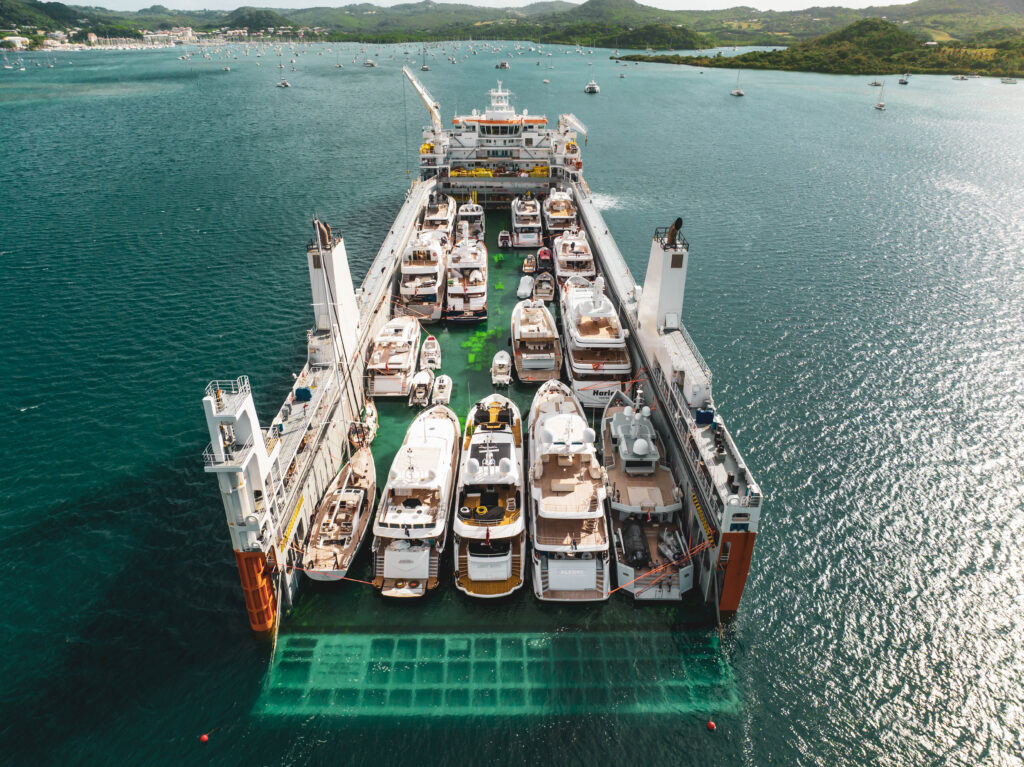
Hong Kong has always been an international boating hub. It is quite common to receive enquiries from overseas buyers who wish to purchase a motor yacht in Hong Kong and ship it abroad. In recent years, many boat owners relocating overseas have also considered taking their yachts with them rather than selling locally.

If you ever decide to sell your boat to an overseas buyer, it is wise to engage a professional broker — especially one who has handled international transactions and shipments before. Overseas deals involve more paperwork, coordination, and risk. An experienced broker can manage expectations, handle documentation, and coordinate shipping properly.

If you are a buyer planning to move a yacht overseas, you generally have two delivery options. The first is to ship the boat on a cargo vessel. The second is to drive the boat to the destination.

Shipping the Yacht

If you have never shipped a yacht before, the cost can be surprising. Even for a relatively short route such as Hong Kong to Singapore, shipping a 50-foot motor yacht can cost approximately USD 50,000 to 80,000. The exact price depends on dimensions, weight, timing, and route availability.

Because of this, the boat must have sufficient value for the shipping cost to make sense. If the transport cost represents a large percentage of the yacht’s value, it becomes harder to justify. This is one reason why, despite competitive prices in Hong Kong, overseas buyers sometimes hesitate — shipping costs can be a major deterrent. However, for higher-value yachts, shipping can still be entirely reasonable.

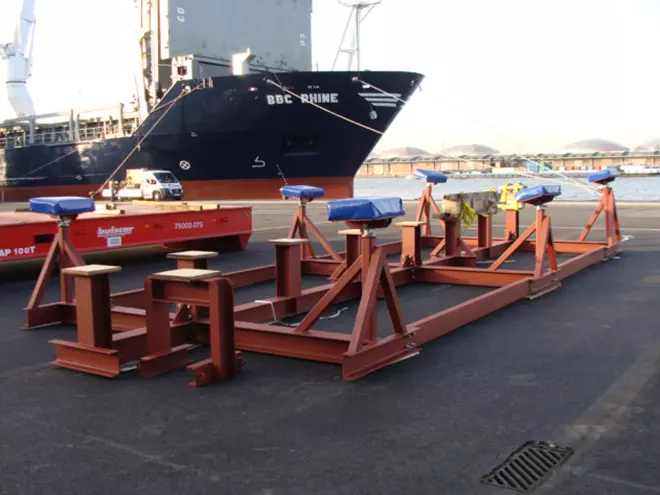
The first step is finding a shipping or forwarding agent willing and experienced enough to handle yacht transport. Many general cargo agents are unfamiliar with handling boats. Yacht shipping requires specific knowledge about lifting points, cradles, insurance, and securing procedures.

There are specialist yacht transport companies such as Sevenstar Yacht Transport and Peters & May that focus specifically on moving yachts worldwide. These firms understand the process well. However, their prices may be higher, and they may not always have routes to smaller or less common ports.

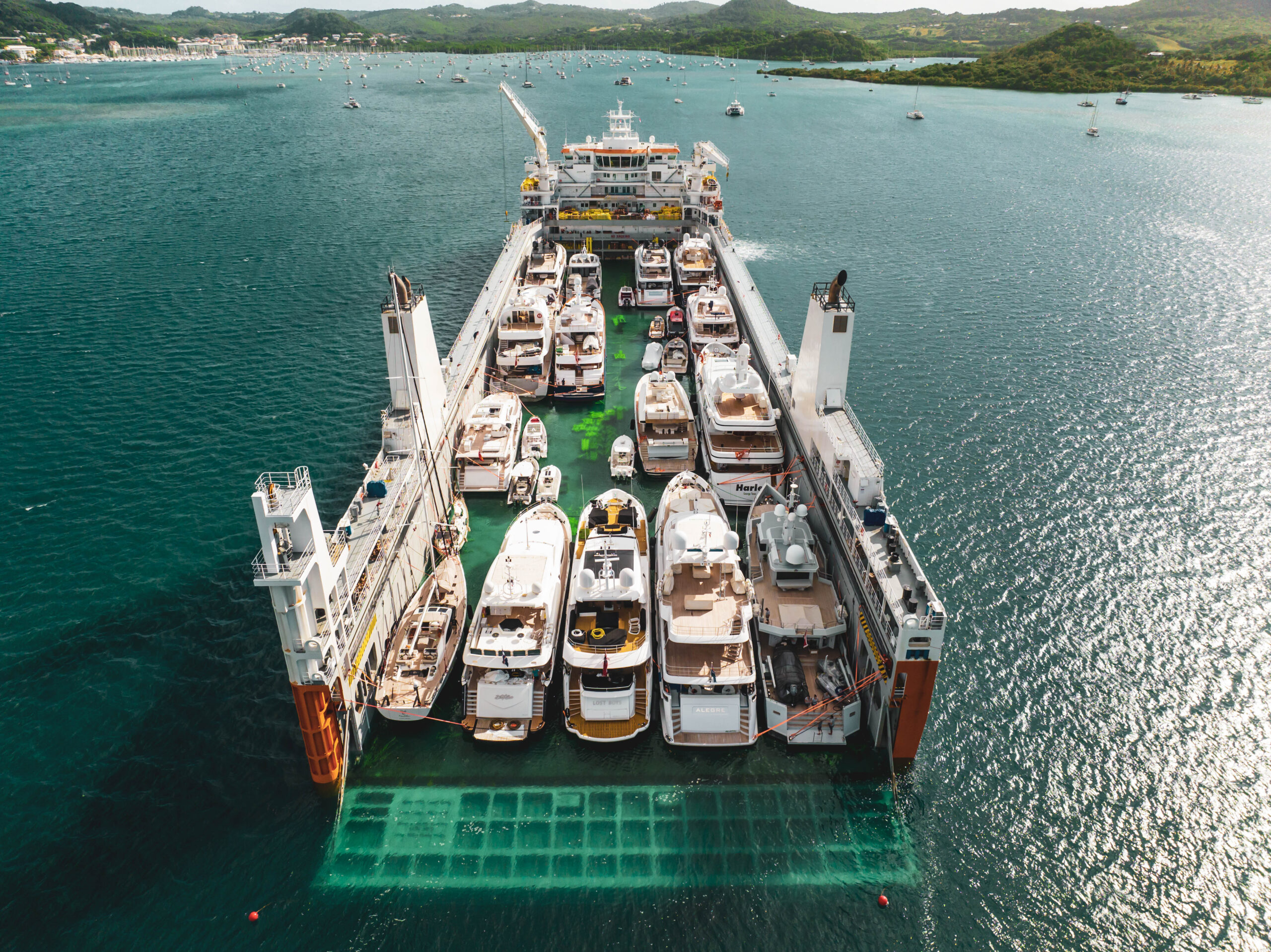
When using an experienced professional yacht shipper, much of the headache is avoided. Typically, you deliver the yacht alongside the transport vessel. The carrier arranges the crane lift, builds or positions a secure cradle on deck, and properly welds or fixes supports to hold the yacht safely. They are insured, experienced, and familiar with marine transport risks.

If you attempt to arrange shipping independently at a lower cost, more coordination is required. You may need to engage a local shipyard to fabricate a steel cradle fitted to your yacht. The boat is then towed — often with the cradle attached — to the terminal for lifting onto the cargo vessel. A marine surveyor or experienced professional should supervise the securing process to ensure the yacht is properly fastened to the deck.

It is important to understand that cargo vessels travel through open seas where conditions can be rough. The transport ship itself will move significantly in heavy weather. Unlocked doors, unsecured hatches, loose equipment, and canvas covers can easily be damaged by wind and motion. Proper preparation and professional securing are essential.

One practical difficulty is finding shipping routes to certain regional ports. Destinations such as Manila or parts of Indonesia and India can involve higher port charges, taxes, or complex bureaucracy. Some shipping companies prefer to avoid these ports altogether, which limits available options.

Driving the Yacht to Its Destination

For nearer destinations, delivering the yacht by sea can sometimes be more practical. From Hong Kong to Manila, for example, the distance is roughly 600 nautical miles across open waters. An experienced delivery captain may take two to three days or longer, depending on weather and cruising speed.

For a 50-foot motor yacht, total delivery costs — including fuel, captain and crew fees, safety equipment, testing, and contingencies — might be in the region of USD 30,000, depending on conditions and crew arrangements. Costs vary based on fuel consumption and route planning.

It is possible to deliver yachts from Hong Kong to the Philippines, Taiwan, Vietnam, or Indonesia if conditions and planning allow. Naturally, fuel consumption increases with distance. Larger yachts often handle open-sea conditions more comfortably, but reliable engines and proper preparation are critical regardless of size.

Most importantly, always engage experienced offshore delivery professionals. Open-sea passages are very different from local coastal cruising. While some captains may claim confidence, long offshore voyages can quickly become serious in adverse weather. This is not an area to compromise on expertise.

Final Thoughts

Shipping or delivering a yacht overseas from Hong Kong is entirely possible and done regularly. However, it requires realistic budgeting, proper planning, and experienced professionals.

Whether you are selling to an overseas buyer or relocating your own yacht, careful coordination and expert advice will protect both your vessel and your investment.

Boat Maintenance Guide for Smart Owners (Protect Value & Avoid Costly Repairs)

Boat Maintain
Boat Maintain

Good boat maintenance is not just about keeping your boat clean — it directly affects reliability, safety, and resale value.

One important truth many first-time owners learn quickly: the bigger the boat, the more work it requires. If you do not intend to hire crew or part-time help, boats around 40 feet or below are generally much easier to manage. Larger boats demand more cleaning time, more system checks, and more physical effort.

If you want stress-free ownership, size matters.


Clean Regularly to Prevent Permanent Damage

The biggest mistake boat owners make is cleaning too aggressively — but too infrequently.

Light, regular washing prevents:

  • Salt buildup
  • Black streaks
  • Bird droppings staining the gelcoat
  • Early oxidation

Ideally, wash your boat once or twice per week. In humid climates, regular interior cleaning also helps prevent mould and odor.

Consistency is far more important than heavy scrubbing.


Use Proper Marine Cleaning Products

Household detergents may remove dirt, but they can strip wax and damage gelcoat over time.

Marine-specific products such as:

  • Simple Green (marine formulas)
  • Star brite (wash, wax, stain removers)

are designed to clean without harming marine finishes.

For tougher stains like shoe marks and black streaks:

  • 3M General Purpose Cleaner works well when used carefully.
  • Spray Nine is effective for grease and oil marks.

Always test in a small hidden area first.


Non-Skid Decks Require Extra Attention

Textured non-skid surfaces trap dirt easily, especially in marina environments where rust dust and airborne particles settle on deck.

Rust stains should be treated first using a proper rust remover. Many oxalic-acid-based products work well, including marine solutions from Star brite.

After that:

  • Apply non-skid deck cleaner
  • Allow it to sit 10–20 minutes
  • Scrub with a stiff brush
  • Rinse thoroughly

A pressure washer can reduce labor significantly, but avoid holding it too close to prevent surface damage.


Run Your Boat Even When You’re Not Using It

Mechanical systems deteriorate faster when left unused.

Even if you’re not going out to sea, periodically:

  • Run engines for 1–2 hours
  • Operate the generator
  • Run toilets and pumps
  • Turn on air-conditioning
  • Recharge batteries weekly

Regular operation keeps seals lubricated and systems functional.


Engine Servicing Basics

For both inboard and outboard engines:

  • Change engine oil every 100 hours or at least annually
  • Replace oil and fuel filters
  • Inspect impellers
  • Check belts

For diesel inboards, cooling systems need particular care. Heat exchangers can accumulate salt and sediment, reducing cooling efficiency. Raw water pumps and impellers should be inspected regularly to prevent overheating.

Preventive servicing is always cheaper than major repairs.


Antifouling and Zinc Anodes

If your boat stays in the water:

  • Lift and clean the hull approximately every 6 months (depending on marine growth)
  • Apply antifouling paint when required
  • Replace zinc anodes regularly

Zinc anodes protect underwater metal components from galvanic corrosion in saltwater.

Boats stored dry do not require antifouling.


Boat Covers – Invest Wisely

Cheap, oversized covers often:

  • Pool rainwater
  • Tear in wind
  • Trap humidity
  • Cause mould buildup

A properly fitted custom cover provides better protection and airflow. Adding ventilation or a small solar vent fan helps reduce internal moisture.

Keep in mind: handling large covers on boats over 30 feet can be physically demanding.


Why Boat Maintenance Matters for Resale

If you ever plan to sell your boat, maintenance history and condition will significantly affect buyer confidence.

Well-maintained boats:

  • Sell faster
  • Attract better offers
  • Require fewer price negotiations

Regular care protects not just your boat — but your investment.


Final Advice

Boat maintenance is not about working harder. It’s about working consistently.

Keep the boat clean, run systems regularly, service engines properly, and protect it from corrosion. If you want ownership without crew, staying around 40 feet makes long-term maintenance far more manageable.